
5 hr
Wildlife Safari & Jungle Trail Adventure in Panama
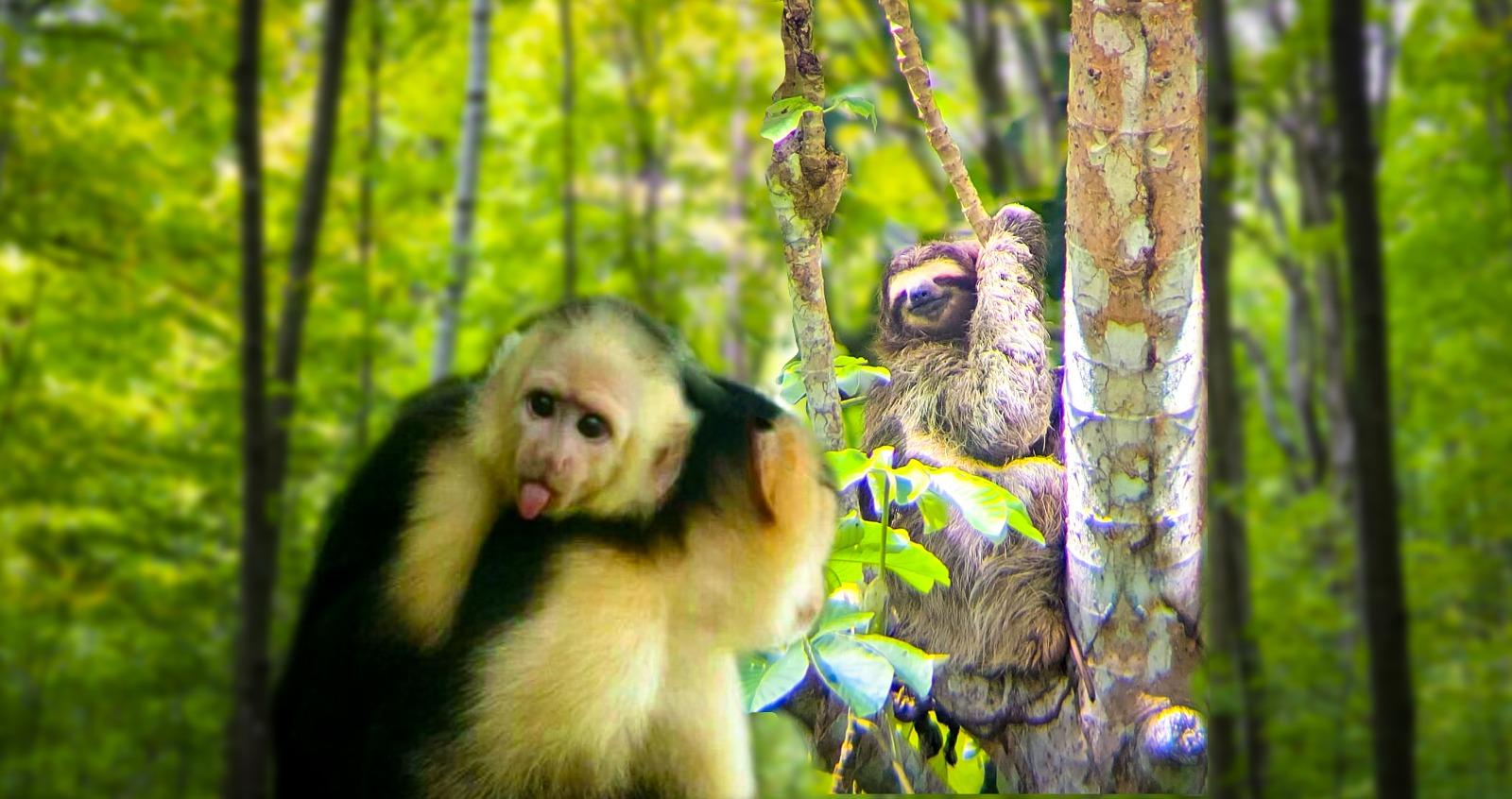
Speedboat safari on Panama Canal spotting monkeys and sloths, plus rainforest trail walk through Gamboa
Reserve
Hand-picked by our editors — only the best 5 wildlife experiences from 18 reviewed.
Verified partners for every tour, free cancellation where available, and instant confirmation on every booking.
5 hr
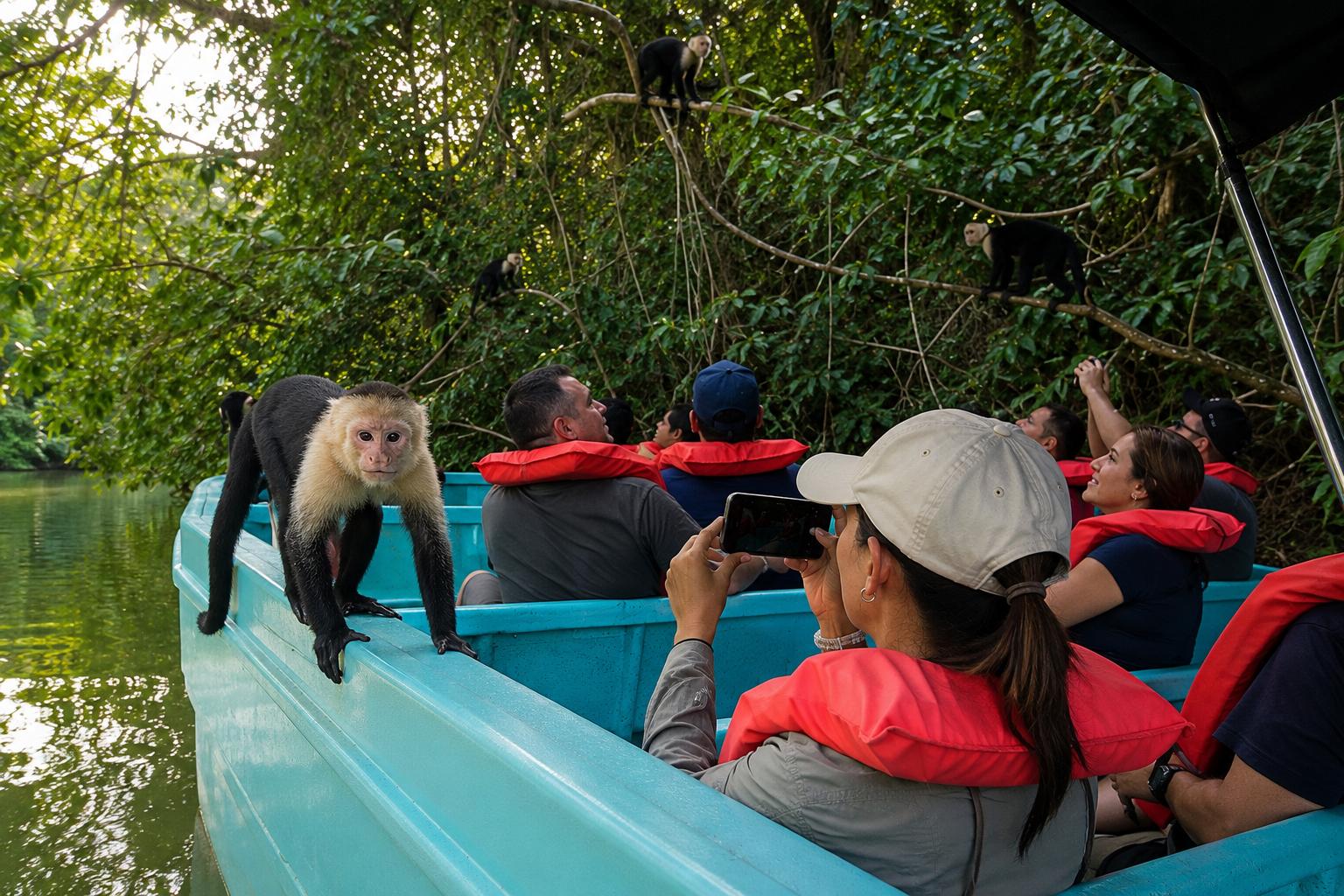
Speedboat safari on Panama Canal spotting monkeys and sloths, plus rainforest trail walk through Gamboa
Reserve
5 hr
Discover Panama's biodiversity on a 5-hour adventure through rainforest, canal waters, and monkey islands
Reserve
7 hr
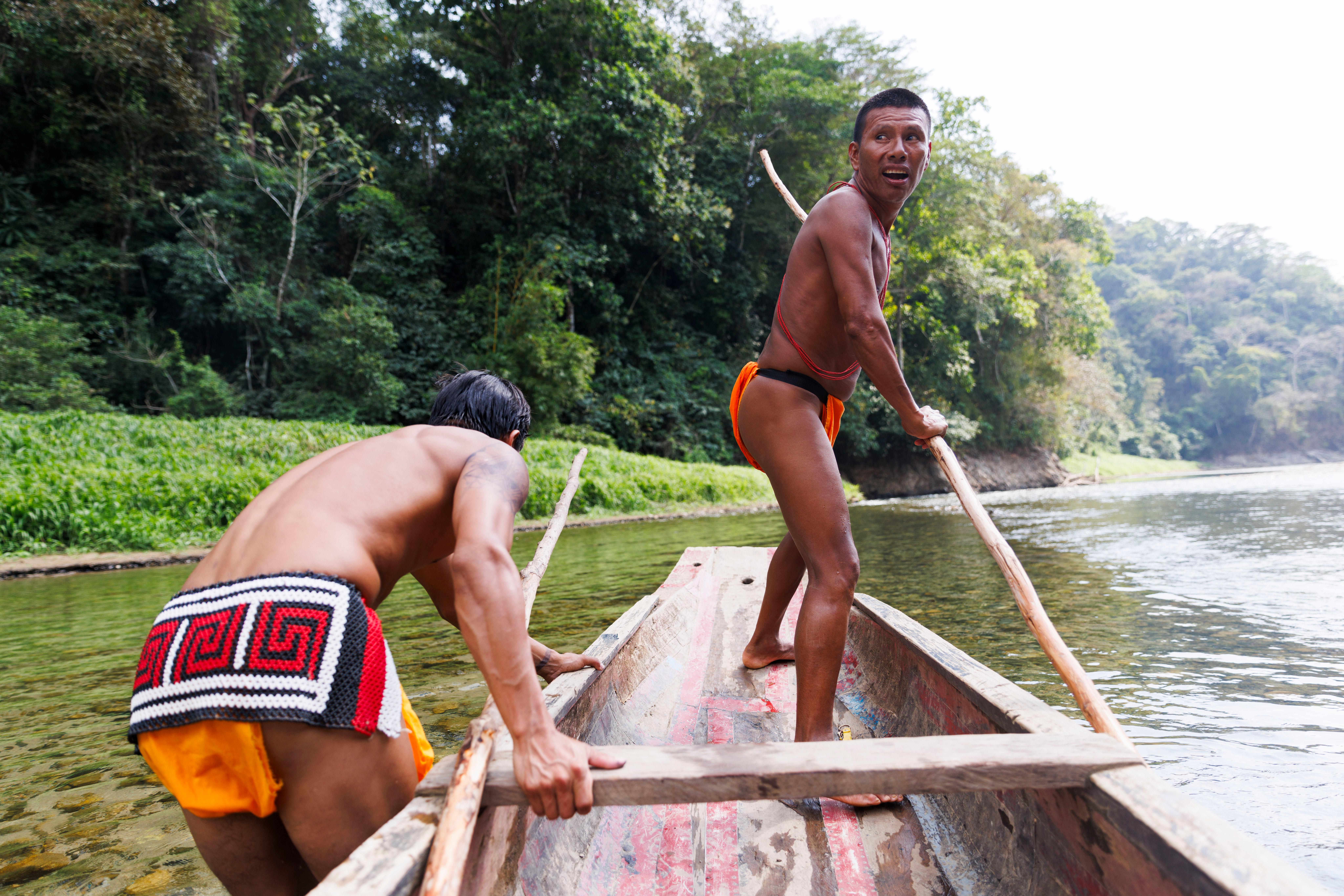
Journey deep into Chagres Rainforest to meet indigenous Embera people, swim beneath waterfalls, and savor authentic jungle cuisine
ReservePrices from verified partners. Availability updates in real time at checkout. Free cancellation policies apply where shown.
The landmarks, rooms, and views travelers on this tour remember — all visible on a single visit.
Witness the dedicated care provided to rescued two-toed and three-toed sloths in a quiet, natural environment.
Observe the full life cycle of native species in this enclosed, vibrant garden exhibit.
Follow the winding trail through primary forest to learn about local ecosystem preservation.
Discover the diverse and colorful amphibians that thrive in the protected Panamanian rainforest.
Explore a collection of rare, native orchids showcasing the unique flora of the region.
These experiences complement each other; most visitors who do both find that the Panama Jungle Habitat provides a more focused educational engagement while the lake excursion offers a raw, wild encounter with local primates.
| Feature | Top pick Panama Jungle Habitat | Gatun Lake Boat Excursion |
|---|---|---|
Type of Interaction |
Guided educational contact | Wild distance observation |
Accessibility |
Walkable forest pathways | Boat — open deck |
Educational Focus |
High — detailed species biology | Moderate — focus on habitat |
Predictability of Sightings |
Guaranteed close encounters | Variable — depends on wildlife |
Conservation Involvement |
Direct active rehabilitation | Eco-tourism awareness support |
| See tickets → |
Verdict: Choose the monkey and sloth sanctuary panama tickets for immersive learning, or opt for boat excursions when seeking unrestricted nature photography opportunities during your monkey and sloth sanctuary panama tours.
Choose your ticket, select your date, and reserve in under two minutes. Secure checkout handled by our verified partner.
Instant confirmation by email, with a mobile voucher you can save offline. No printing, no queuing at a collection desk.
Arrive at the entrance, show your voucher on your phone, and walk in. Most tickets include priority or skip-the-line access.
Practical details for your visit straight from our verified partners — hours, access, rules, and how to get there.
City of Knowledge, Clayton
Main entrance gate for all monkey and sloth sanctuary panama tours.
Follow signs to City of Knowledge in Clayton using Waze or Google Maps.
Standard ride-share services are available from Panama City centers.
Wear breathable, lightweight clothing and sturdy walking shoes suitable for humid jungle conditions. Long pants and moisture-wicking shirts are recommended to protect against insects.
Small daypacks are permitted, but please be aware there is no secure luggage storage on-site. All visitors must comply with staff guidelines regarding movement through the habitat.
Non-flash photography is encouraged to protect sensitive wildlife. Professional photography equipment requires prior written authorization from the sanctuary office.
The sanctuary features flat paths that accommodate most guests comfortably. Please contact the visitor center in advance to arrange specific assistance for mobility devices.
Mobile phones are permitted for photos. We request all devices be set to silent mode to maintain the peaceful environment required for animal rehabilitation.
The monkey and sloth sanctuary panama is highly educational for children. Strollers are difficult to maneuver on natural forest trails, so carriers are recommended for toddlers.
No food is sold inside the habitat grounds. Visitors are encouraged to bring reusable water bottles to stay hydrated in the tropical climate.
No pets are allowed inside the facility. Only certified service animals may be permitted with prior coordination.
The monkey and sloth sanctuary panama operates as a serious rehabilitation center, not a petting zoo. All viewing occurs from designated educational paths.
City of Knowledge, Clayton
Main entrance gate for all monkey and sloth sanctuary panama tours.
Get directionsBest time to go, insider tips, nearby landmarks, and the cancellation fine print — flip through to skim what matters to you.
How crowds, weather, and events shift across the year.
The dry season offers clearer skies, ideal for outdoor viewing of the monkey and sloth sanctuary panama species.
Lush greenery makes the rainforest vibrant, though short afternoon showers are common in the jungle habitat.
Small details that turn a good visit into a great one.
Reserve monkey and sloth sanctuary panama tickets online to ensure your slot.
Panama heat is intense, so wear moisture-wicking fabrics for your monkey and sloth sanctuary panama tour.
Follow the 10:00–14:00 arrival window to see the animals during their most active periods.
Non-bookable sights within a short walk — free to visit, easy to pair.
A global engineering marvel visible from nearby observation points.
Features interactive exhibits on canal history and operations.
A protected tropical forest offering extensive hiking trails.
Flexible, no hidden fees.
Full refunds are provided for cancellations made at least 24 hours before the scheduled time. Entrance fees are considered a 25 USD conservation fee per person.
Hand-picked options within walking distance — pick a district for vibe, or a specific hotel for convenience.
Located near key nature reserves and wildlife centers.
Convenient lodging within the campus grounds.
The facility at Clayton's City of Knowledge operates on a $25 conservation fee that funds veterinary care for animals seized from illegal trade or injured in habitat loss. Seventy percent of incoming primates—capuchins, tamarins, and spider monkeys—arrive with malnutrition or untreated wounds; rehabilitation timelines stretch from six months to three years depending on behavioral readiness for reintroduction. Two-toed and three-toed sloths recovered from roadside accidents occupy elevated enclosures that mimic canopy structure, their metabolic rates so deliberate that a single leaf can take sixteen days to digest. The monkey and sloth sanctuary panama anchors a corridor linking Soberanía National Park to the Panama Canal watershed, a zone where deforestation has fragmented seventy thousand hectares since 1990. Rescued animals unable to return to the wild serve as ambassador species; educational tours demonstrate scent-marking behavior in howler monkeys and the algae symbiosis that tints sloth fur green during rainy months. Naturalists trained in veterinary triage lead small groups through secondary-growth forest, pointing out cecropia trees—the sloth's primary food source—and strangler figs that shelter tamarin troops. The sanctuary collaborates with the Smithsonian Tropical Research Institute on metabolic studies; sloth body temperature fluctuates twelve degrees Celsius daily, a thermal economy that allows survival on eight grams of leaves per day. Panama wildlife sanctuary initiatives here extend beyond enclosures. A nursery propagates native hardwoods—espavé, cuipo, and Panama redwood—for replanting in degraded parcels adjacent to the canal. Volunteers document post-release tracking data; spider monkeys fitted with radio collars in 2024 have established a stable troop across forty hectares of regenerated canopy. The primate conservation model addresses root causes: outreach teams visit rural communities to discourage pet trade, while mobile clinics treat domestic animals to reduce human-wildlife conflict. Injury patterns have shifted since the program's expansion—vehicle strikes now account for thirty percent of sloth admissions, down from fifty-four percent in 2022, following the installation of wildlife underpasses along Clayton access roads. The rainforest animal rescue model documented here informs policy. Data collected on howler monkey vocal stress under urban noise exposure contributed to Panama City's 2025 zoning amendment restricting construction within two hundred meters of forest edges. The sanctuary's quarantine protocol—a mandatory sixty-day observation for new arrivals—has prevented three potential disease outbreaks in captive populations. Educational programming reaches twelve thousand students annually; curriculum modules on habitat connectivity and illegal wildlife trade are now adopted in forty-one public schools across Panama Province. The conservation fee structure remains transparent: seventy cents of every dollar supports veterinary operations, twenty cents funds habitat restoration, and ten cents maintains public access infrastructure that allows close observation without compromising animal welfare.
"Seventy percent of incoming primates arrive with malnutrition or untreated wounds; rehabilitation timelines stretch from six months to three years depending on behavioral readiness for reintroduction."
A step-by-step walkthrough of the visit — what you'll see, how long each stage takes, and the details that matter.
You arrive at Clayton's City of Knowledge campus before midday heat settles over the canopy. The entry path winds through secondary forest where cecropia leaves rustle overhead—sloth territory, your naturalist notes, gesturing toward a motionless gray shape twenty meters up. The first enclosure houses a three-toed sloth recovering from a fractured limb; you watch her traverse a horizontal branch at five meters per hour, claws hooked in deliberate arcs. Her keeper explains the algae bloom in her fur—a microecosystem that camouflages her against lichen-covered bark. The primate sector opens onto elevated platforms. A capuchin troop investigates enrichment puzzles—hollowed bamboo filled with mashed plantain—while spider monkeys brachiate across rope bridges installed to replicate canopy travel. You pause at the tamarin habitat, where two males groom a female carrying month-old twins, their high-pitched trills audible above the forest hum. The naturalist points out scent glands beneath each tail; tamarins mark territory through chemical signals humans cannot detect. You move toward the sloth nursery, where a juvenile two-toed clings to a stuffed surrogate, her rehabilitation timeline projected at fourteen months before forest reintroduction. The monkey and sloth sanctuary panama tour concludes at the observation deck overlooking replanted hardwood groves—cuipo saplings now eight meters tall, future canopy for the next generation of released primates.
The sanctuary is open from 10:00–15:30, Tuesday through Sunday.
The conservation fee is 25 USD per person.
The sanctuary is closed on Mondays, so plan your visit during the week or weekend.
Yes, this monkey and sloth sanctuary panama location is ideal for family education.
It is highly recommended to secure your monkey and sloth sanctuary panama tickets early.
Bring sunscreen, repellent, and a water bottle to the monkey and sloth sanctuary panama.
Yes, the Panama Canal and Miraflores Visitor Center are close to the monkey and sloth sanctuary panama.
Photography is allowed, but we ask for no flash at the monkey and sloth sanctuary panama.
The sanctuary is in the City of Knowledge, Clayton; use ride-share or a car to reach the monkey and sloth sanctuary panama.